5 Health Trends for 2026: AI Wearables, Biomarkers, and Why Weight Doesn't Matter
Is your fitness tracker just counting your steps and calling it a day?
If you're still treating health optimization like it's 2015—tracking basic metrics, avoiding the doctor until something breaks, and measuring success by the number on your bathroom scale—you're missing the biggest shifts happening in evidence-based health and performance.
2026 isn't bringing you another fad diet or miracle supplement (thank god). Instead, we're seeing five major trends that are fundamentally changing how people approach their health: smarter technology that actually interprets your data, preventive testing before problems arise, training methods that prioritize longevity over Instagram aesthetics, sleep treated as a performance tool, and a complete reframing of what "healthy" bodies actually look like.
I'm Victoria Dorsano, an ACE-certified Health Coach and the founder of Be Victorious Coaching. I work with busy professionals, entrepreneurs, and athletes who want evidence-based health guidance without the wellness industry BS.
In this article, I'm breaking down the five health trends that are genuinely worth paying attention to in 2026—backed by research, not marketing hype.
Let's get into it.
Trend #1: AI-Powered Wearables (Moving Beyond Step Counting)
Remember when fitness trackers just counted your steps and maybe tracked your heart rate if you were fancy?
Those days are over.
The wearable technology landscape has evolved dramatically, and 2026 is the year AI interpretation becomes mainstream—meaning your devices don't just collect data, they tell you what to actually DO with it.
The Old Way vs. The New Way
OLD WAY:
Your device tells you: "You got 7,200 steps today and burned 2,100 calories."
Cool. Now what?
You're left staring at numbers with no context, no personalization, and no clear action steps.
NEW WAY:
AI-powered wearables analyze your patterns over time and provide personalized recommendations:
"Your HRV has been declining for 3 days. Your deep sleep percentage dropped 15% this week. Based on your training load and stress patterns, we recommend reducing workout intensity today and prioritizing recovery. Here's specifically what that looks like for you..."
That's the difference. Context. Personalization. Actionability.
What's Actually Happening in 2026
The major players—WHOOP, Oura Ring, Apple Watch, and even continuous glucose monitors (CGMs)—are all integrating AI coaching features that learn YOUR specific patterns and provide individualized guidance.
For example:
WHOOP now offers AI-powered strain coach recommendations based on your recovery score, sleep quality, and historical performance data. Instead of just showing you a recovery percentage, it tells you whether today is a good day to hit a PR or if you should focus on mobility work.
Oura Ring has enhanced its sleep coaching with AI that doesn't just track your sleep stages—it identifies YOUR specific sleep disruptors (late caffeine, alcohol, stress patterns) and gives you personalized interventions.
Continuous Glucose Monitors (CGMs) are moving beyond diabetes management into performance optimization. They're showing non-diabetic athletes and professionals how their specific meals affect their energy, focus, and recovery—with AI interpretation that accounts for context like stress, sleep, and activity level.
Why This Matters
Here's the truth: Data without interpretation is just noise.
Most people collect massive amounts of health data and then... do nothing with it. Or worse, they misinterpret it and make counterproductive decisions.
AI interpretation solves this by turning your wearable into an actual coach that learns what works FOR YOU, not just what works in general population studies.
Practical Takeaway
If you're already using a wearable:
Explore the AI coaching features in your device's latest update
Set up personalized alerts for YOUR specific metrics (not defaults)
Give the AI time to learn your patterns (minimum 2-4 weeks of consistent wear)
If you're considering a wearable:
Prioritize devices with strong AI interpretation features (WHOOP, Oura Ring)
Focus on metrics that actually impact your goals (HRV for athletes, glucose for metabolic health, etc.)
Budget for the subscription—the hardware is useless without the AI platform
And remember: The tracker is only as valuable as your willingness to act on the insights.
If the AI tells you to prioritize sleep and you ignore it... well, you just bought an expensive bracelet.
Trend #2: Baseline Biomarker Testing (Know Your Numbers Before You Need To)
Pop quiz: Do you know your hs-CRP level? Your Vitamin D status? Your thyroid function?
If you're like most people, the answer is "no, because nothing's wrong yet."
And that's exactly the problem.
The Shift from Reactive to Proactive Healthcare
For decades, the healthcare model has been reactive: You feel like garbage → You go to the doctor → They run tests → You find out something's been quietly deteriorating for months or years.
The 2026 approach flips this entirely.
The new model: Get comprehensive baseline testing while you're healthy, establish YOUR specific "normal" ranges, and then fine-tune through diet, exercise, and lifestyle adjustments as you age—catching drift before it becomes dysfunction.
This isn't about sick care. It's about optimization.
Why Baselines Matter
Here's what most people don't realize: Lab "normal ranges" are based on population averages—which include a lot of unhealthy people.
A testosterone level of 350 ng/dL might be "within normal range" for a 45-year-old male, but if HIS baseline at 30 was 650 ng/dL, that represents a significant decline worth investigating.
Without knowing your baseline, you're flying blind.
AI Integration in Biomarker Testing
This is where the AI trend from #1 intersects beautifully with biomarker testing.
Platforms like Inside Tracker and Function Health are now using AI to:
Interpret your biomarkers in context of your age, sex, activity level, and goals
Identify patterns across multiple markers (not just flagging individual outliers)
Provide personalized nutrition and supplement recommendations based on YOUR specific deficiencies
Track changes over time and alert you to concerning trends before they become problems
For example, elevated hs-CRP (inflammatory marker) combined with low Vitamin D and declining HRV might prompt the AI to recommend specific anti-inflammatory dietary changes, supplementation protocols, and stress management interventions—all tailored to your data.
Real Client Example
I had a client in his early 40s—successful business owner, active, thought he was doing "pretty well" with his health.
We ran comprehensive biomarker testing as part of my Vitality Blueprint service, and here's what we found:
hs-CRP: 2.8 mg/L (indicating moderate inflammation)
Vitamin D: 32 ng/mL (suboptimal, not deficient)
Testosterone: Lower third of "normal range"
Fasting glucose: 98 mg/dL (technically normal, but creeping toward prediabetes)
None of these were "red flag" levels that would prompt medical intervention. But together, they painted a picture of metabolic drift.
After 16 weeks of targeted nutrition adjustments, strategic supplementation, and training modifications:
hs-CRP dropped to 0.8 mg/L
Vitamin D increased to 52 ng/mL
Testosterone increased by 18%
Lost 12 pounds (most of it visceral fat)
Chronic joint pain resolved
That's the power of knowing your numbers and acting on them BEFORE they become problems.
Practical Takeaway
Get baseline testing done:
Comprehensive metabolic panel
Lipid panel (including particle size, not just total cholesterol)
Complete blood count
Thyroid function (TSH, Free T3, Free T4)
Vitamin D, B12, and iron markers
hs-CRP and other inflammatory markers
Sex hormones (testosterone for men, estrogen/progesterone for women)
Work with someone who can interpret results in context:
Your standard doctor's office visit gives you 15 minutes and "everything looks normal."
Consider working with a health coach, functional medicine practitioner, or using AI-powered platforms that provide detailed interpretation and actionable recommendations.
If you want to learn more about baseline testing and customized health optimization, book a call below.
Trend #3: Regenerative Fitness & Longevity Training (Training for Your 80-Year-Old Self)
How's your training going to look when you're 60? 70? 80?
If the answer is "I'll probably just stop training," we need to talk.
The Philosophy Shift
For decades, fitness culture has been obsessed with performance metrics:
How much can you lift?
How fast can you run?
How shredded can you get for summer?
And look—I love performance training. I work with athletes. I've competed. I get it.
But here's the problem: If your training methodology destroys your joints, wrecks your posture, and leaves you unable to move pain-free at 60... what exactly did you win?
Regenerative fitness flips the script: Train in a way that builds your body UP over time, not breaks it DOWN.
What Regenerative Training Actually Looks Like
1. Training Through Full Ranges of Motion to Strengthen Joints
The Knees Over Toes Guy (Ben Patrick) methodology is a perfect example of this—training your knees through full flexion to build resilient joints, not avoiding ranges of motion out of fear.
If you've been told "don't let your knees go past your toes," that advice is outdated and actually makes your knees weaker over time.
Progressive overload through FULL ranges of motion—ATG split squats, deep squats, controlled tibialis raises—strengthens the connective tissue that protects your joints long-term.
2. Incorporating Balance and Coordination Training
Falls are one of the leading causes of injury and loss of independence in older adults.
You know what prevents falls? Training balance NOW.
Single-leg deadlifts, stability exercises, eyes-closed movements, varied terrain training—this stuff matters more than your bench press max when you're 75.
3. Prioritizing Spinal Health and Recovery Work
One of the most common complaints I hear from clients—especially those who sit at desks all day or have physically demanding jobs—is back pain and tension.
Between filming videos, working with clients on Zoom, and just life in general, back tightness is REAL.
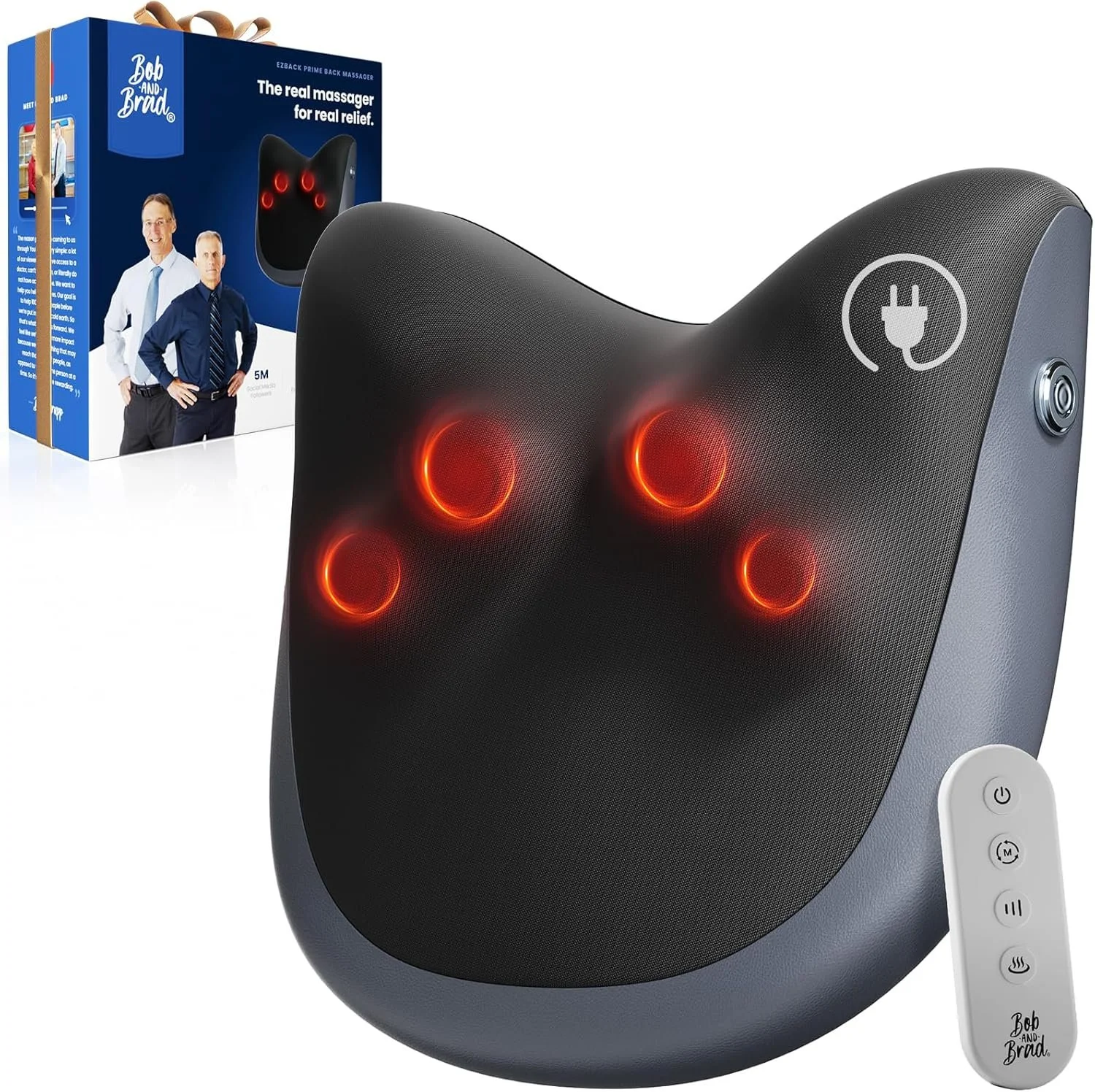
This is where active recovery tools become essential. I personally use the Bob & Brad EZ Back Prime almost daily. Bob and Brad are two physical therapists with over 6 million YouTube subscribers—I learned from their videos during my ACL rehab, and their content is evidence-based and practical.
Their EZ Back Prime is incredibly versatile: I use it at my desk while working, relaxing on the couch, laying on the floor for mid-back tension release, and even on my legs after heavy training days or for active recovery.
Recovery tools like this are part of the regenerative approach—we're not just beating our bodies up and hoping they recover. We're actively supporting recovery through massage, mobility work, proper sleep, and stress management.
4. Training Multiple Movement Patterns, Not Just Gym Lifts
Humans are designed to move in every direction: forward, backward, sideways, rotation, up, down.
If your training is just squat, bench, deadlift, repeat... you're missing massive gaps.
Those gaps show up as injuries when you DO move in those directions unexpectedly—picking up a toddler, twisting to grab something, stepping off a curb wrong.
Incorporate crawling patterns, rotational work, throwing, jumping, multi-directional movement into your training.
5. Making Recovery an Active Part of Your Training
Recovery isn't what you do when you're injured. It's what you do to PREVENT injury and optimize your body's ability to adapt to training.
This includes:
Mobility sessions (not just stretching—active mobility)
Breathwork and parasympathetic nervous system activation
Proper sleep protocols (more on this in Trend #4)
Stress management techniques
Recovery tools (massage, foam rolling, compression, etc.)
Practical Takeaway
Assess your current training:
Are you avoiding ranges of motion out of fear? (Red flag)
Do you train balance and coordination, or just strength? (Add single-leg work)
When's the last time you trained rotation or lateral movement? (Time to diversify)
Is recovery scheduled with the same commitment as training? (Make it non-negotiable)
The goal is simple: Be the strongest 80-year-old you know—not the strongest 30-year-old who can't move at 50.
Trend #4: Sleep as a Performance Tool (Not Just Rest)
When's the last time someone bragged about how little sleep they got?
"I'm crushing it on 4 hours of sleep!"
"Sleep is for the weak!"
"I'll sleep when I'm dead!"
Yeah, that mentality is dying—finally.
The Cultural Shift
For decades, hustle culture glorified sleep deprivation as a badge of honor. Less sleep = more productivity = more success.
Except the research has been screaming the opposite for years:
Sleep deprivation tanks cognitive performance worse than alcohol intoxication
Chronic insufficient sleep increases risk of obesity, diabetes, cardiovascular disease, and early mortality
Even ONE night of poor sleep significantly impairs athletic performance, decision-making, and emotional regulation
The 2026 shift: Sleep is being repositioned as a performance optimization tool—not something you sacrifice for productivity, but something you PRIORITIZE to maximize productivity.
AI-Powered Sleep Optimization
This ties back to Trend #1—AI-powered wearables are revolutionizing how we understand and optimize sleep.
Instead of just tracking total hours (which is almost useless), modern sleep tracking focuses on:
Sleep Architecture:
Deep sleep percentage (critical for physical recovery)
REM sleep cycles (essential for cognitive function and memory)
Sleep efficiency (time asleep vs. time in bed)
Interruptions and awakenings
Recovery Metrics:
HRV during sleep (indicates nervous system recovery)
Resting heart rate trends
Respiratory rate and variability
Body temperature fluctuations
AI platforms now analyze these patterns and provide specific recommendations:
"Your deep sleep was 15% below your baseline last night. Consider reducing caffeine after 2pm and lowering bedroom temperature to 66°F tonight."
That's actionable. That's optimization.
Sleep Environment Optimization
The research on optimal sleep environment is incredibly consistent:
Temperature: 65-68°F is ideal for most people (cooler than you think)
Light: Complete darkness (blackout curtains, no screens, cover LEDs)
Sound: Either complete silence or consistent white noise (avoid variable sounds)
Air Quality: Good ventilation, humidity around 40-50%
Mattress & Pillows: Supportive of YOUR specific sleep position and body type
These aren't negotiable "nice-to-haves"—they're fundamental requirements for quality sleep architecture.
Pre-Sleep Protocols
Your body doesn't have an on/off switch. You can't go from high-stimulation activity directly to restorative sleep.
Effective pre-sleep routines create a gradual transition:
60-90 minutes before bed:
Dim lights (reduce blue light exposure)
Lower thermostat to start cooling bedroom
Finish eating (digestion interferes with deep sleep)
Complete any stimulating tasks
30-60 minutes before bed:
Screen-free time (or blue light blocking glasses if necessary)
Light reading, stretching, or meditation
Warm shower or bath (the post-shower cooling triggers sleep drive)
Consistent bedtime ritual (your brain learns to associate this with sleep)
Consistency matters more than any individual tactic. Your circadian rhythm thrives on predictability.
Practical Takeaway
Start with your environment:
Invest in blackout curtains and a quality mattress (you spend 1/3 of your life here)
Get your bedroom temperature to 65-68°F
Remove all screens from the bedroom (yes, including your phone)
Build a consistent pre-sleep routine:
Same bedtime every night (within 30 minutes, even weekends)
60-minute wind-down protocol (lights dim, screens off, low-stimulation activities)
No caffeine after 2pm, no alcohol within 3 hours of bed
Track and optimize:
Use a wearable to monitor sleep architecture
Experiment with interventions one at a time
Give each change 7-14 days before assessing impact
Trend #5: Muscle-Centric Medicine (Why Your Scale Weight Doesn't Matter)
Step on a scale. See a number. Feel shame or pride based on that number.
Repeat daily.
Sound familiar?
Here's the uncomfortable truth: Your scale weight is one of the least informative metrics about your actual health.
The Body Composition Revolution
2026 is the year we finally move past scale weight obsession and embrace muscle-centric health optimization.
What do I mean by "muscle-centric medicine"?
It's the recognition that muscle mass—not just body weight—is one of the strongest predictors of longevity, metabolic health, and quality of life as you age.
The Science Behind Muscle and Longevity
Research is overwhelmingly clear:
Sarcopenia (age-related muscle loss) is one of the biggest threats to healthy aging. After age 30, you lose approximately 3-8% of your muscle mass per decade—accelerating after 60.
This muscle loss leads to:
Decreased metabolic rate (harder to maintain healthy body composition)
Increased fall risk and loss of independence
Worse insulin sensitivity and higher diabetes risk
Reduced bone density (muscle loading stimulates bone growth)
Lower quality of life and increased mortality risk
Multiple studies have shown that muscle mass and strength are stronger predictors of longevity than BMI or scale weight.
Translation: A 180-pound person with 30% body fat is at significantly higher health risk than a 180-pound person with 15% body fat—but they weigh the same.
Body Recomposition vs. Weight Loss
This is where the 2026 mindset shift happens:
OLD GOAL: "I want to lose 20 pounds."
NEW GOAL: "I want to build muscle and reduce body fat percentage—regardless of what the scale says."
Body recomposition—building muscle while losing fat—often results in minimal scale weight change, especially for beginners.
You might lose 10 pounds of fat and gain 8 pounds of muscle, resulting in only 2 pounds of scale weight change. But your body composition, performance, metabolic health, and appearance have transformed dramatically.
How to Track What Actually Matters
Ditch these metrics:
Daily scale weight (too variable, not informative)
BMI (completely ignores body composition)
Generic calorie calculators (don't account for muscle mass)
Track these instead:
Body fat percentage (DEXA scan, BodPod, or high-quality BIA scale)
Progress photos (visual changes matter)
Performance metrics (strength gains, endurance improvements)
How clothes fit (practical, everyday feedback)
Biomarkers (from Trend #2—metabolic health indicators)
Practical Takeaway
Shift your goal from weight loss to body recomposition:
Prioritize resistance training (3-5x per week minimum)
Ensure adequate protein intake (0.7-1g per pound of body weight)
Create a modest calorie deficit if fat loss is needed (no crash diets)
Be patient—recomposition is slower than aggressive weight loss but infinitely more sustainable
Stop weighing yourself daily:
If you must track weight, once per week maximum under consistent conditions
Better yet, focus entirely on body composition measurements every 4-6 weeks
Celebrate strength and performance gains:
PR'd your squat? That's progress.
Ran a faster 5K? That's progress.
Recovered faster from workouts? That's progress.
Scale didn't move? Completely irrelevant if the above are improving.
If you want personalized guidance building muscle, optimizing body composition, and ditching the scale obsession, let’s chat.
Bringing It All Together: Your 2026 Health Optimization Roadmap
These five trends aren't isolated strategies—they work synergistically:
✅ AI-powered wearables give you personalized insights on recovery, sleep, and metabolic health
✅ Baseline biomarker testing establishes your unique "normal" and tracks optimization progress
✅ Regenerative fitness builds a body that gets stronger and more resilient over decades
✅ Sleep optimization provides the recovery foundation everything else depends on
✅ Muscle-centric focus shifts your goal from arbitrary weight loss to genuine health markers
The common thread? Personalization, prevention, and long-term thinking.
No more one-size-fits-all programs.
No more waiting until you're sick to care about health.
No more sacrificing your 60-year-old self for your 30-year-old ego.
Your Next Steps
Ready to implement these strategies with personalized guidance?
I work with busy professionals, entrepreneurs, and athletes who want evidence-based health optimization without the wellness industry BS.
Here's how we can work together:
Book a FREE Discovery Call to discuss:
Comprehensive biomarker testing and interpretation (Vitality Blueprint)
Personalized training and nutrition protocols
AI wearable data analysis and optimization
Body recomposition strategies that actually work
Sustainable health transformation for your specific life and goals
Frequently Asked Questions
Q: Are AI-powered wearables worth the cost?
A: If you're serious about optimization and willing to act on the insights, yes. If you're just collecting data and ignoring recommendations, save your money. The value isn't in the device—it's in the behavior change it enables.
Q: How often should I get biomarker testing done?
A: Establish a baseline, then retest every 3-6 months during active optimization. Once you've reached your goals, annual testing is sufficient for maintenance and early detection of drift.
Q: Can I do regenerative fitness if I'm young and focused on performance?
A: Absolutely. Regenerative training principles (full ROM, varied movement patterns, active recovery) actually IMPROVE performance while reducing injury risk. You're not sacrificing gains—you're building a more resilient foundation.
Q: I've tried every sleep hack and still sleep poorly. What am I missing?
A: Most people focus on tactics (supplements, apps, gadgets) while ignoring fundamentals: consistent bedtime, proper environment (temperature, darkness), stress management, and caffeine/alcohol timing. Fix those first.
Q: How do I start body recomposition if I've always focused on the scale?
A: Get a baseline body composition measurement (DEXA or BodPod), hide your bathroom scale, and commit to tracking strength gains and progress photos for 12 weeks. The mental shift happens when you see visual and performance changes despite minimal scale movement.
Final Thoughts
2026 isn't about another quick-fix diet or miracle supplement.
It's about fundamentally smarter approaches to health: leveraging AI for personalization, catching problems before they start, training for longevity, prioritizing recovery, and measuring what actually matters.
The wellness industry will keep pushing nonsense. Your job is to filter for evidence, ignore the noise, and focus on strategies that compound over time.
That's what these five trends represent—and that's what I help clients implement every single day.
Ready to stop guessing and start optimizing?
Book your discovery call below 👇🏼