Should I Be Taking Peptides? An Honest, Science-Backed Investigation
This blog is based on a video from my YouTube channel. Prefer to watch? Click here.
This post is sponsored by Quince. As always, the take is honest — I only partner with brands I actually use. (More on that, and a full disclosure, below.)
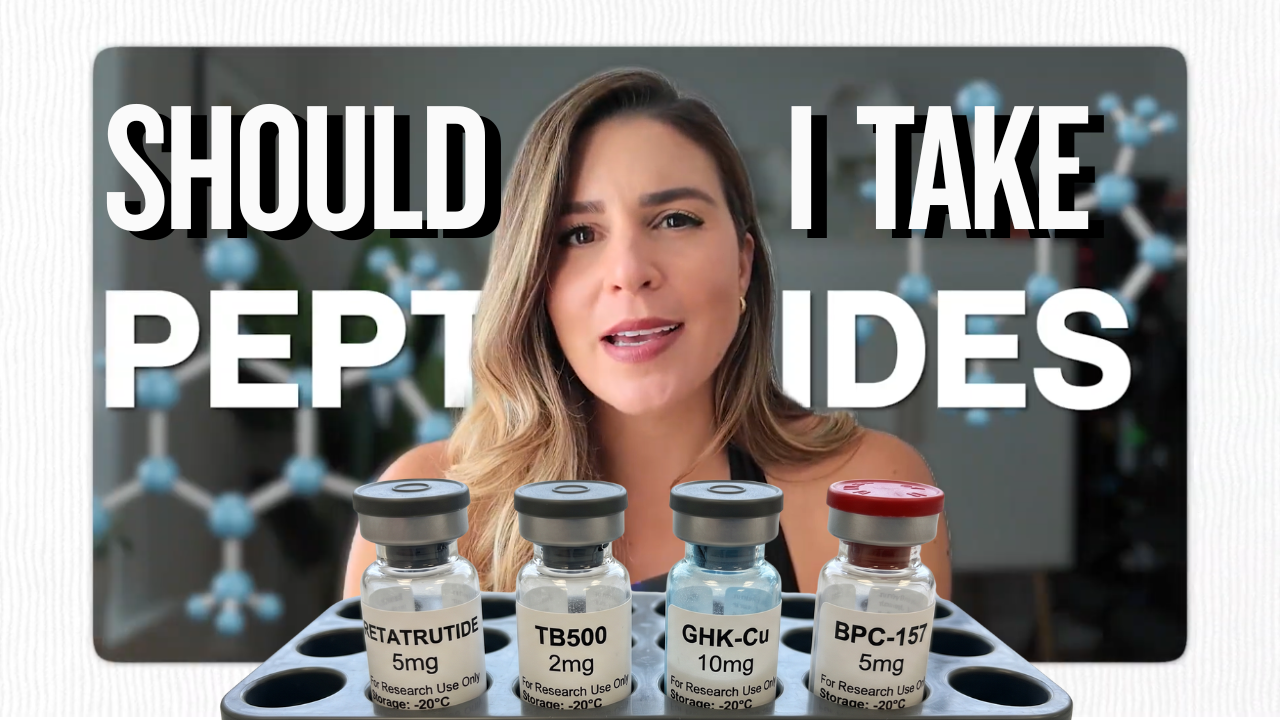
If you've opened Instagram, listened to a podcast, or stood next to a guy at the gym in the last year, you've heard about peptides. Joe Rogan talks about injecting BPC-157 to fix his elbow. Bryan Johnson runs peptide experiments on himself like it's a hobby. And the ads are coming for all of us.
So if you're in your 30s, watching your energy and recovery quietly start to slip, wondering if everyone else knows something you don't — yeah. Me too.
Here's the thing. As someone with a hard-science background, I've been deeply skeptical of this entire world. But some of the most respected people I know swear by these. So I have to ask the honest question. Not "should you take peptides." Should I?
This is the start of a series where I find out. Let's get into it.
Why I'm even asking
I'm in my mid-30s. If you're anywhere near that age, you might know the feeling: the stuff that used to be automatic just… isn't anymore. My energy isn't as bulletproof. My recovery is slower. My body composition shifts if I look at a bagel wrong. Hormones, metabolism, sleep — it all starts to quietly renegotiate the terms.
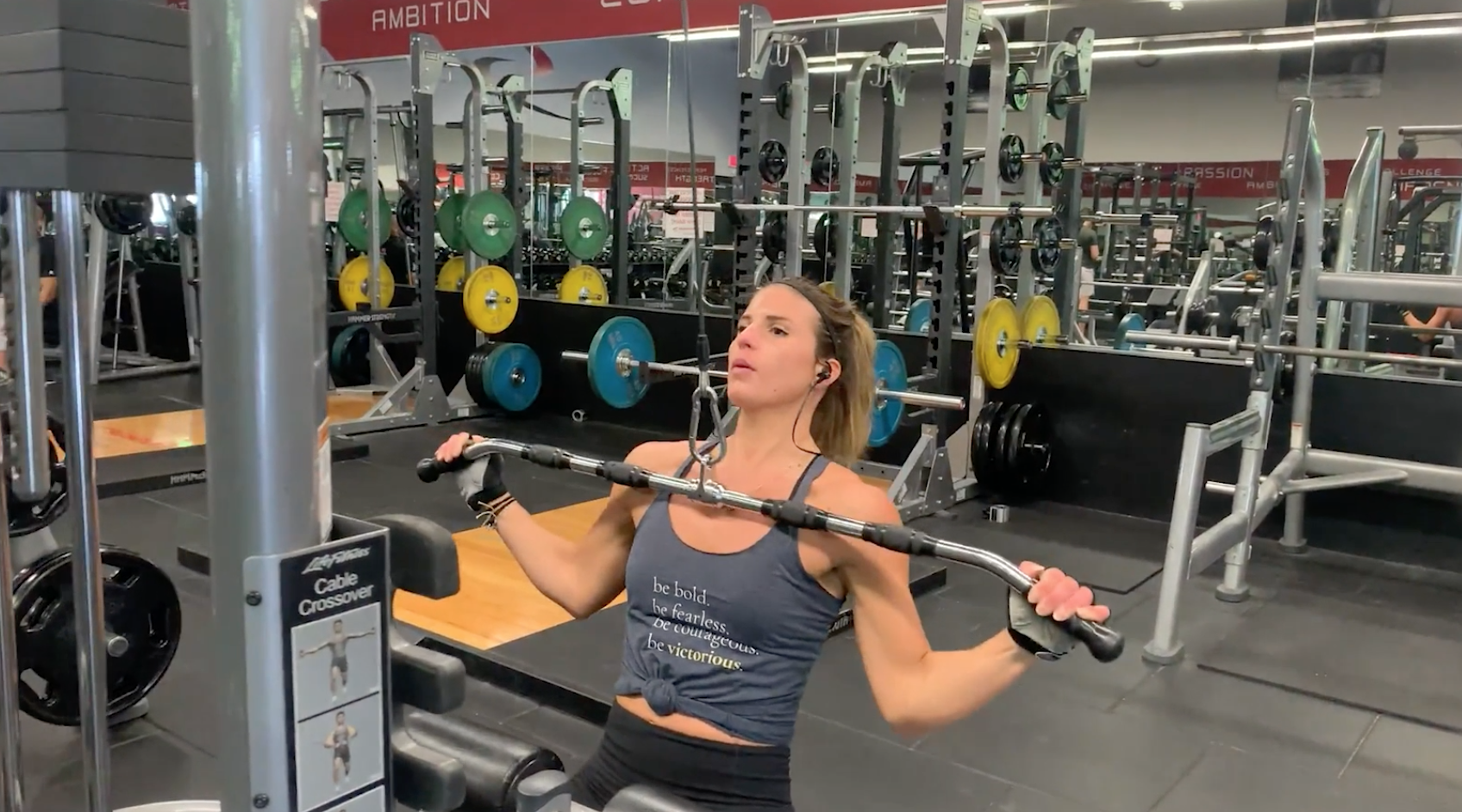
On top of that, I'm an athlete. I play volleyball, I've trained hard my whole life, and my body has the receipts: the aches, the old injuries, the wear and tear. Lately I've been fighting nagging neck pain that's genuinely gotten in the way of training. And when you can't train the way you want, you start obsessing over making the most of the training you can do.

That is exactly the headspace these companies are counting on. Every week, like clockwork, another peptide brand slides into my inbox promising they've got the thing that'll heal me, speed up my recovery, turn back the clock.
So the temptation is real. If something could actually help me feel like myself again — of course part of me wants to believe it.
What even is a peptide?
Before I decide anything, I need to understand what we're actually talking about.
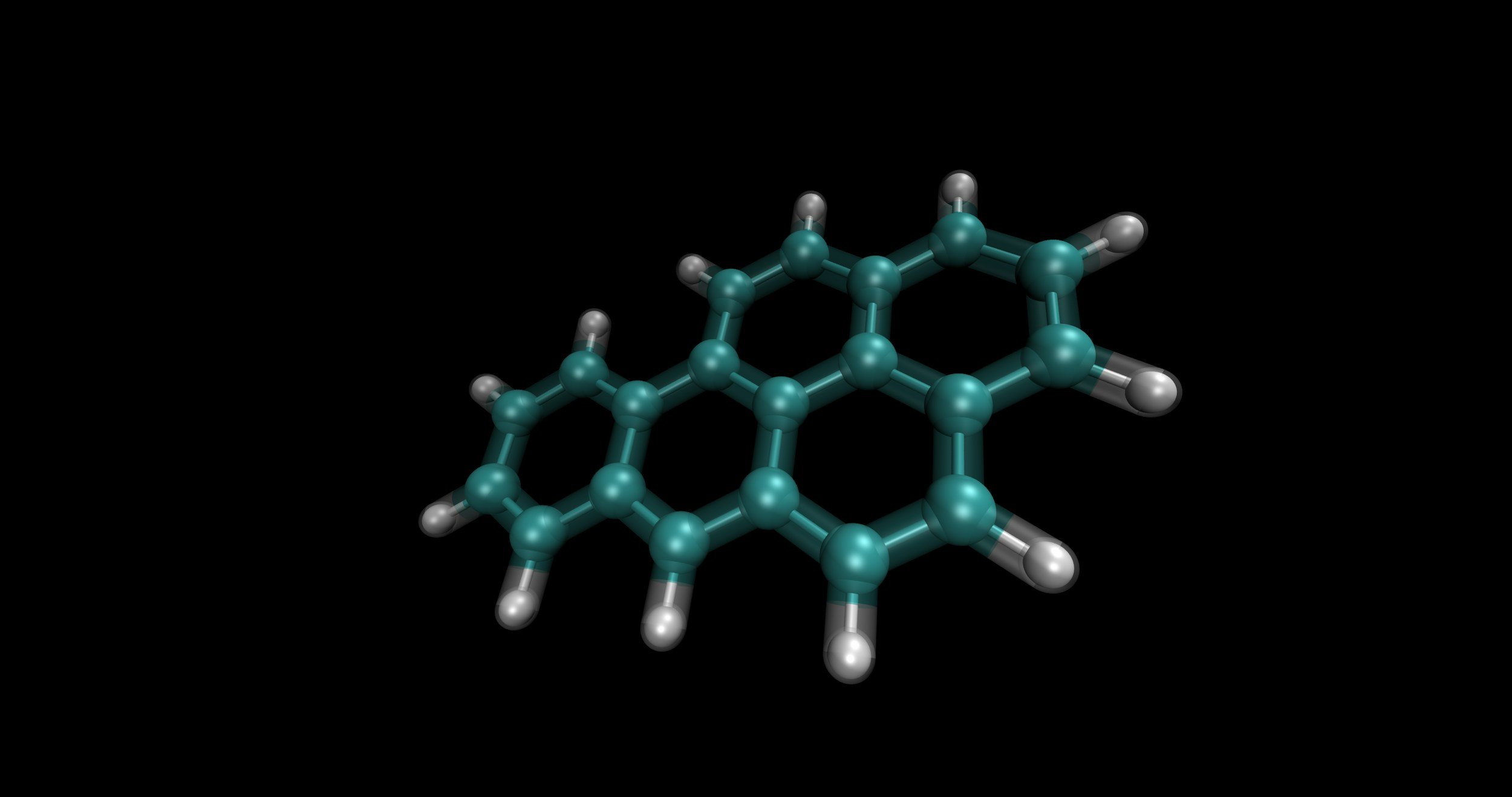
At the simplest level, a peptide is just a short chain of amino acids — the building blocks of protein. Your body makes thousands of them, and they act like little messengers, telling your cells what to do: regulate hormones, manage metabolism, repair tissue.
This is not fringe science. Insulin is a peptide. The GLP-1 drugs everyone's talking about — Ozempic, Wegovy — those are peptides too. And those are FDA-approved, studied in tens of thousands of people, prescribed by doctors. That's the legit lane.
But that is not the lane this conversation is really about.
The peptides blowing up online right now — BPC-157, TB-500, the "healing stacks" and "longevity stacks" — mostly live in a completely different world. They're not FDA-approved for you to use. A lot of them are sold online labeled "for research purposes only" or "not for human consumption."
Which, when you think about it, is a wild thing to read on a vial people are injecting into their bodies. That label isn't a warning anybody takes seriously. It's a loophole.
So hold onto that distinction: there's the approved, proven stuff, and then there's the Wild West. They are not the same thing, even though they get talked about like they are.
The honest tension I have to sit with
Here's where I have to be honest about my own bias.
I'm primed to be skeptical of this. I have a hard time trusting the bio-optimizer corner of the internet — the guys who are always three steps "ahead of the science." Because here's the problem with being ahead of the science: sometimes the science catches up and tells you the thing you've been doing for two years was a bad idea.
"New and cutting-edge" is not the same as "good for you," and it's definitely not the same as "safe over the long term."
But — and this is the part that keeps me honest — some of the people I respect most in this industry use these. Smart, careful, well-credentialed people who've done their homework and use legitimate sources. When people like that swear by something, I can't just wave it off as quackery and feel intellectually honest about it. That would be lazy.
So the real question isn't "are peptides a scam." That's too easy, and it's not true. The real question is: is there a reasonable version of this, and would I be one of the people it's reasonable for?
And if I'm being really honest — what's my actual motivation? Is it recovery? Or is it vanity? Is it a fear of getting older? Because the answer to that probably matters more than any single study I could read.
Where I'm leaning right now (and the plan)
If you forced me to answer today, my gut still says no. Not for me, not yet. The skeptic is winning.
But I don't think that's a fair answer until I've done the work. I owe this a fair hearing before I make a real decision. So I'm making this a series instead of cramming it into one video:
1. The case FOR peptides — the strongest, most honest version I can build. Steelman it. Every benefit of the doubt.
2. The case AGAINST — the risks, the science that isn't there, the stuff the sellers would rather you didn't think about.
3. My actual decision — what I chose for myself, and why.
No spoilers. I haven't decided yet, and I'm not going to pretend I have.
What I'm doing for recovery in the meantime
I'm not just waiting around. While I work through the peptide question, I'm still optimizing the things I already know move the needle. And the biggest one isn't sexy — and it's definitely not injectable.
It's sleep.
Quick, honest disclosure: this section is part of my paid partnership with Quince. I genuinely use this setup — here's the real story.
I'm a hot sleeper, and in summer that's brutal. I'd wake up overheated in the middle of the night, and nothing tanks your recovery like garbage sleep. So I switched my whole setup to Quince's cooling bamboo sheets, their organic waffle blanket, and their mulberry silk pillowcases — specifically to regulate my body temperature at night.
It's made a genuine difference. The bamboo sheets are silky and breathable, the lighter waffle blanket keeps me from overheating, and I haven't woken up hot once since I switched. I'm sleeping deeper and waking up actually feeling recovered.
The thing I respect about Quince — and it ties right into this whole conversation — is the model. They go factory-direct and cut out the middlemen, so you get high-quality, sustainably made pieces for a fraction of traditional retail. Quality first, hype second. After spending this much time in the peptide world, that's a refreshing change of pace.
If you want to try them, new customers get 20 off %their first order when you sign up for emails.
Frequently Asked Questions
What are peptides, in plain English?
Peptides are short chains of amino acids — the building blocks of protein. Your body makes thousands of them to send signals between cells: regulating hormones, metabolism, and tissue repair. Some, like insulin and GLP-1 medications, are FDA-approved and well studied. Many trending "recovery" and "longevity" peptides are not.
Are BPC-157 and TB-500 FDA-approved?
No. BPC-157 and TB-500 are not FDA-approved for human use. Many are sold "for research purposes only" or "not for human consumption" — labeling that functions as a legal loophole, not a safety endorsement. That regulatory gray area is a big part of why I'm cautious.
Are peptides safe?
It depends entirely on which peptide and which source. Approved peptide medications are studied and prescribed for specific conditions. The gray-market injectables popular online lack the long-term human safety data I'd want before recommending anything. I'll dig into the actual risk picture in the "case against" episode.
Do peptides actually help with recovery?
The honest answer right now is "the evidence isn't settled." There's a lot of enthusiasm and anecdote, and far less rigorous long-term human research than the marketing implies. That gap between hype and proof is exactly what this series exists to examine.
Should I take peptides?
I can't answer that for you — and I haven't even answered it for myself yet. This is a series intro, not a verdict. What I can say: if your foundations (sleep, training, nutrition, stress) aren't dialed in, chasing an injectable shortcut is almost always premature. Talk to a qualified physician before considering anything in this category.
What's a better place to start than peptides?
Sleep, consistent training, adequate protein, and managing stress. They're unglamorous and they work. I broke down where I actually spend money on optimization (and where I don't) in my post on biomarker testing and the supplements that actually made a difference for me.
If you're overwhelmed by all the optimization noise…
A peptide pitch in your inbox. A wearable on your wrist. Five supplements on the counter and a vague sense you should be doing more. If that sounds uncomfortably familiar, you're not behind — you're just being marketed to from every direction.
That's exactly the problem my coaching practice exists to solve: cutting through the noise and building a recovery and performance plan that's actually based on evidence and your real life. If you want help separating what works from what's just well-funded hype, book a free discovery call.
The Bottom Line
Peptides aren't a scam — but the trending, gray-market ones aren't the proven miracle the ads suggest, either. They live in a regulatory Wild West with far more hype than long-term human evidence. I haven't decided whether they're right for me, and I'm doing the work before I do.
Your one action: before you even think about peptides, lock down the boring, proven stuff — sleep first. That's where the real recovery gains hide.
The case for peptides is next. Subscribe so you don't miss it — and tell me in the comments: would you ever try peptides, and for what?
*Sponsorship disclosure: This post is sponsored by Quince (#QuincePartner). I only partner with brands I personally use and believe in; the opinions here are my own.
This article may contain affiliate links. If you purchase through my links, I may earn a small commission at no extra cost to you. I only recommend products I actually use and that meet my evidence-based quality standards.
This article is for educational purposes and is not a substitute for professional medical advice. I am a health coach, not a physician. Peptides — especially non-FDA-approved ones — carry real risks. Consult your healthcare provider before making changes to your diet, exercise, or supplement routine, and before considering any peptide.